 Português (Portugal)
  Español (España)
  English (United Kingdom)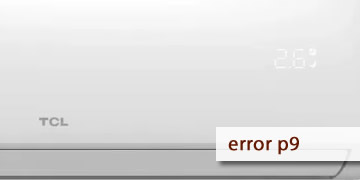
TCL Air Conditioner Error P9
Table of Contents
What does error P9 mean in TCL air conditioners?
A failure that can definitely be tricky to resolve! The P9 error code in TCL air conditioners indicates a problem with the PCB control board, one of the most important components in the system. This issue can occur due to damaged parts, power surges, or wear and tear from extended use of the unit.
In this article, we’ll explain how to diagnose the P9 error and go over the steps you can take to fix it. This issue is generally caused by a malfunction in the control board. The control board is the "brain" of the air conditioner, managing all system processes. The most common causes include:
- Voltage surges or fluctuations: These can damage sensitive components on the control board, causing malfunctions and triggering error codes. Sometimes, a simple reset may resolve the issue.
- Burnt capacitors or TRIACs: These key electrical components may fail due to excessive energy or power spikes.
- Loose connections or short circuits: Damaged or corroded wiring connected to the board can lead to unexpected failures in the unit.
- Wear and tear from continuous use: Internal circuit errors from natural aging, combined with dust buildup from lack of maintenance, may cause system instability.
Steps to follow to fix error P9 in TCL air conditioners
Just follow these steps carefully. Make sure you read each one thoroughly and follow them to the letter to avoid missing any crucial detail:
- Turn off and unplug the air conditioner for a few minutes: This helps release any residual energy stored in the internal components. Simply power off the unit and unplug it for a few minutes. This will also reset the sensors. After a few minutes, plug it back in and turn it on to check if the error is gone.
- Check the power supply to the air conditioner: First, ensure the unit is turned off and unplugged. Use a multimeter to check if the voltage supply is within the proper range—usually around 220V or as specified by the manufacturer. If you notice frequent fluctuations, it’s ideal to use a voltage stabilizer to protect both the board and the unit itself.
- Inspect the air conditioner's PCB control board: Remove the cover of the unit to locate the control board and perform a visual inspection. Look for signs of damage like burnt components, swollen capacitors, or evidence of short circuits. Use compressed air and a soft brush with electronic cleaner to remove dust that may interfere with circuit function. If you have electronics experience, use a multimeter to test each component and ensure they are all functioning correctly.
- Run basic tests on PCB components: Check if the capacitors are storing energy properly. Replace any defective ones. Use a multimeter to check the TRIACs. Ensure there are no corroded jumpers or loose connectors.
- Replace the PCB control board if necessary: Verify the model number and specifications of the board before purchasing a replacement. Refer to the technical manual. Replace the old board with the new one, connecting each terminal correctly. Some models require an initial configuration after replacement—follow your user manual for guidance. If unsure, leave this to a professional HVAC technician.
- Test the air conditioner after the repairs: After completing all the above steps, turn on the unit to check if the P9 error has disappeared and the control board is working properly. If the problem persists, review the solutions again to ensure nothing was missed.
- If the error continues, a qualified technician may be the best solution: This type of issue can be complex, especially if you’re not familiar with electronics. Even experienced technicians may struggle with control board-related failures. If you can’t resolve it on your own, it’s best to contact a certified technician with experience in air conditioners and electronics.
Prevention is key to avoiding issues like this in the future. If the troubleshooting process becomes difficult, don’t hesitate to call a trusted technician. We recommend installing a voltage regulator, cleaning the unit regularly, and scheduling preventive maintenance at least once or twice a year. These practices will help extend the life of your air conditioner and keep it running efficiently.